Lucija Kračun, MD Specialist of family practise, AAAMED diploma for aesthetic medicine
Aromatherapy In Wellness
Introducing DALÚ Signature Aroma Blends — Elevate Your Wellness Rituals and Spa Environment. Aromatherapy in Wellness. The Effect of Aromatherapy in Wellness Aromatherapy is widely used to regulate mood, manage stress, and improve mental clarity. It reduces anxiety and improves sleep. In the spa, we incorporate aromatherapy in facials, steam rooms, and body wraps to ...
Share:


Introducing DALÚ Signature Aroma Blends — Elevate Your Wellness Rituals and Spa Environment. Aromatherapy in Wellness.
The Effect of Aromatherapy in Wellness
- Emotional and Mental Well – being
Aromatherapy is widely used to regulate mood, manage stress, and improve mental clarity. It reduces anxiety and improves sleep.
- Physical Wellness and Self – Care
In the spa, we incorporate aromatherapy in facials, steam rooms, and body wraps to enhance relaxation and skin rejuvenation. Massage combines touch therapy with essential oils (e.g., eucalyptus for muscle pain, peppermint for tension), enhances circulation, reduces muscle tension, and promotes lymphatic drainage.
- Respiratory and Immune Health
Essential oils like eucalyptus, peppermint.., are used in steam inhalations to boost respiratory health.
- Workplace and Productivity Support
Aromatherapy creates an optimal and creative working environment because it can improve alertness and mental clarity, calm, energise and reduce stress.
The History of Aromatherapy
Aromatherapy has been practised for thousands of years, with roots tracing back to ancient civilisations such as Egypt, China, India, Greece, and Rome.
Egyptians used aromatic oils for cosmetics, embalming, and religious rituals. Frankincense, myrrh, and cedarwood were commonly used. In traditional Chinese medicine and Ayurveda, aromatic plants and oils were used for healing and spiritual practices. Hippocrates, the “father of medicine”, recommended aromatic baths and massages. Dioscorides wrote extensively about medicinal plants and oils in De Materia Medica. Rome adopted many Greek practices and used aromatics in public baths and personal hygiene.
Middle Ages & Arab Influence
During the Middle Ages, interest in herbal medicine and distillation techniques grew in both Arab and European cultures. Avicenna (Ibn Sina), a Persian physician, significantly advanced the process of extracting essential oils, particularly rose oil. During the time of the Black Plague, aromatic herbs were believed to offer protection against disease.
Modern era
From the 20th century onward, aromatherapy became an integral part of holistic and complementary medicine. Today, there is a renewed and growing interest in the therapeutic benefits of aromatherapy, as we become increasingly aware of its positive effects on both body and mind.
What Are Essential Oils?
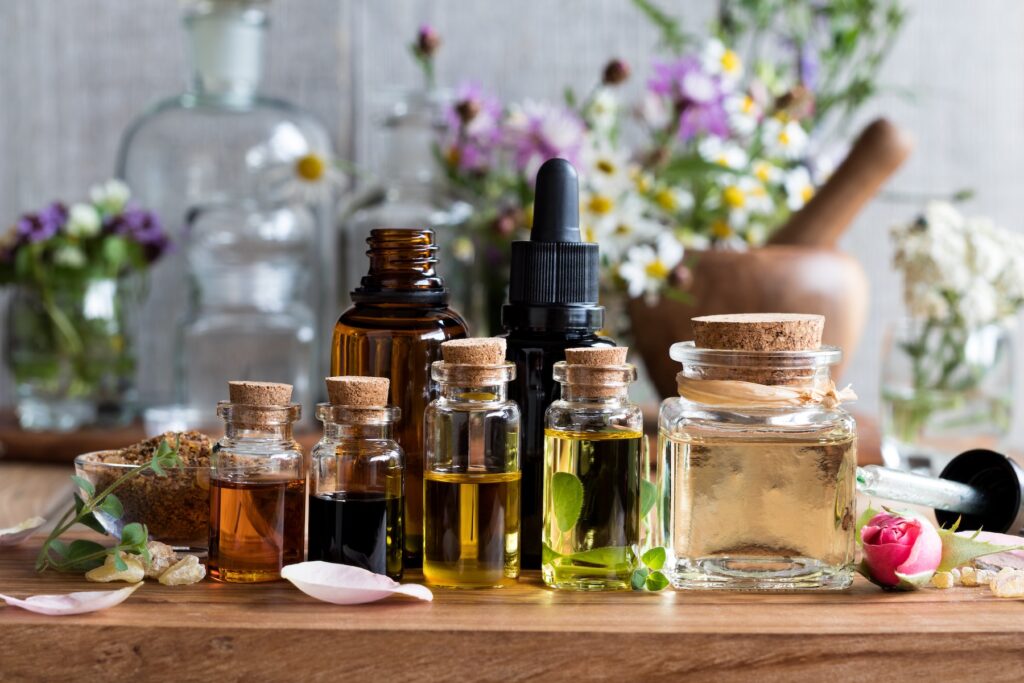
Volatile compounds are extracted from plants via steam distillation, cold pressing, or solvent extraction. They contain terpenes, aldehydes, ketones, and phenols, each with specific biological activities.
How Do Essential Oils Affect the Body?
One is the olfactory pathway, where inhaled molecules stimulate olfactory receptors, influencing the limbic system (emotions, memory, and hormones). And the second is topical application – oils penetrate the skin and may enter the bloodstream, potentially exerting anti – inflammatory, antibacterial, or analgesic effects.
A growing body of evidence-based research supports the therapeutic use of aromatherapy. Here are some of the most well-documented benefits:
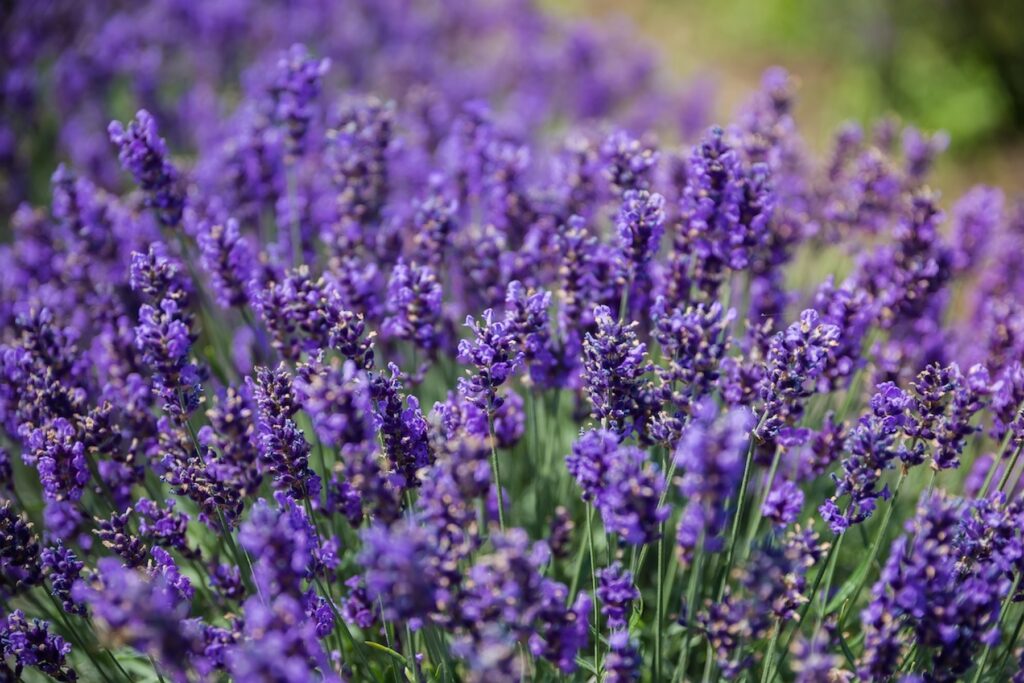
· Stress and Anxiety: Essential oils such as lavender and bergamot have been shown in clinical studies to help reduce anxiety levels and promote a sense of calm.
· Improved Sleep: Lavender and chamomile are widely recognised for their ability to enhance sleep quality and support restful sleep.
· Nausea Relief: Peppermint and ginger essential oils are effective in alleviating nausea, particularly in post-operative settings or during pregnancy.
· Pain Relief: Peppermint oil, when applied topically, may help relieve headaches and reduce muscle tension or soreness.
· Cognitive Function: Some research suggests that rosemary oil may improve memory, focus, and mental alertness.
– diffusion (dispersion into air using a diffuser, steamer, steam sauna…)
– topical application (massage oils and skincare products)
– inhalation (directly smelling from a bottle or personal inhaler, steam sauna…)
– bath soaks (added to warm baths)
Limitations and Safety Considerations of Essential Oils
While aromatherapy offers numerous benefits, it’s essential to use essential oils responsibly and safely:
· Quality Matters: Always choose essential oils from reputable producers who provide full testing and certification, such as IFRA (International Fragrance Association) compliance and GC – MS analysis.
· Safe Dosage: In spa settings, essential oils and hydrosols are generally used in very low, safe concentrations. Most individuals experience no side effects.
· Possible Reactions: Some people may develop allergic reactions or skin irritation, particularly if oils are used undiluted or in high concentrations.
· Dilution is Key: Essential oils must always be diluted with a suitable carrier oil before applying topically.
· Avoid Ingestion: Do not ingest essential oils unless under the direct guidance of a certified aromatherapist or healthcare professional.
· Special Precautions: Be aware of contraindications for children, pets, pregnant or breastfeeding individuals, and those with specific medical conditions.
Practising informed and cautious use ensures that aromatherapy remains a safe and effective part of wellness routines.

Read also our other BLOG’s – Head SPA.