

Lucija Kračun, MD Specialist of family practise, AAAMED diploma for aesthetic medicine
SKIN EXFOLIATION
Exfoliation isn’t just about removing dead skin — it brightens your complexion, smooths texture and helps your skincare absorb better. There are three types: physical (granules), chemical (AHAs/BHAs) and enzymatic (fruit enzymes), each suited to different skin needs. Use exfoliators once or twice a week to start, pick formulations based on your skin type and ...
Share:


Exfoliation isn’t just about removing dead skin — it brightens your complexion, smooths texture and helps your skincare absorb better. There are three types: physical (granules), chemical (AHAs/BHAs) and enzymatic (fruit enzymes), each suited to different skin needs. Use exfoliators once or twice a week to start, pick formulations based on your skin type and goals, and follow up with proper care (cool water rinse, moisturiser, SPF) to avoid irritation.
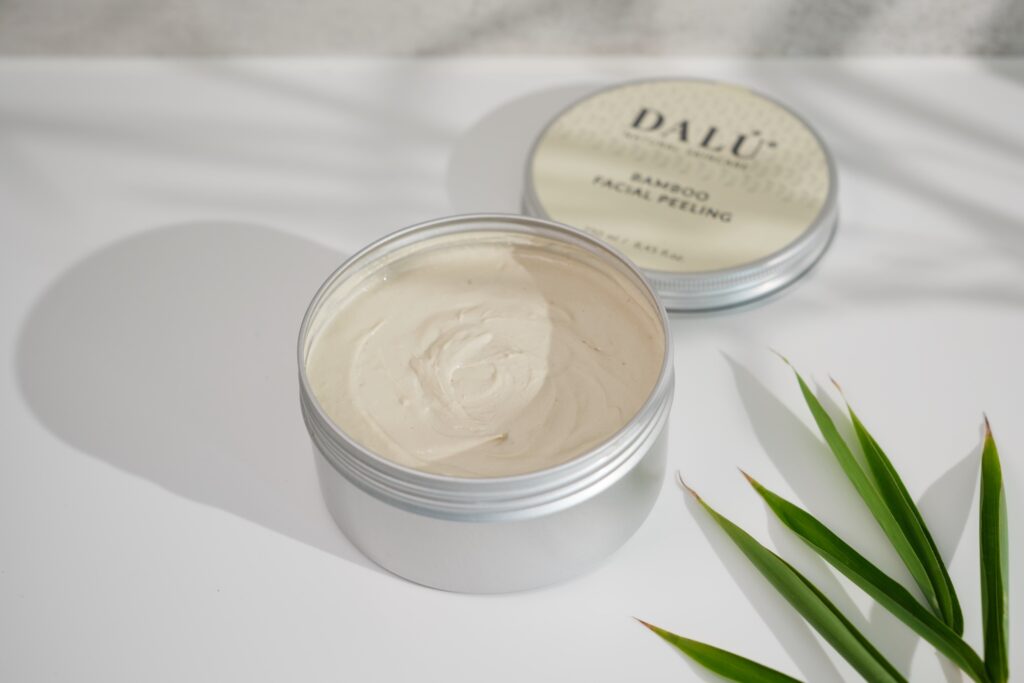
THE POWER OF FACE EXFOLIATORS: SMOOTHER SKIN & BETTER ABSORPTION
Face exfoliators do more than just remove dead skin—they reveal a fresher, more radiant complexion while enhancing the effectiveness of your skincare routine. By gently sloughing away the top layer helps to:
- Smooth and Soften – Enjoy the instant gratification of silky, touchable surface.
- Boost Product Absorption – With the barrier of dead skin removed, serums, moisturizers, and treatments penetrate more effectively, delivering maximum benefits.
- Promote a Healthy Glow – Regular exfoliation encourages renewal, leaving you with a brighter, more even-toned appearance.
For the best results, choose an exfoliator suited to your type and use it in moderation to maintain a balanced, healthy complexion. For a fresh, youthful glow!
TYPES OF EXFLOLIATION
There are three types:
- Physical
- Chemical
- Enzymatic
HOW TO INCORPORATE EXFOLATION INTO YOU ROUTINE
Start once or twice a week. Over – exfoliating can cause irritation, so pay attention to how your dermis responds.
To find the right face exfoliator, consider:
- Your Skin Type – Pick a formula that suits your needs (AHAs for dull or dry skin, BHAs for acne – prone skin, enzymes for sensitive skin).
- Texture & Ingredients – Look for gentle, non-abrasive formulas with skin – nourishing ingredients.
- Your Goals – Whether you want smoother texture, a brighter complexion, or clearer pores, the right exfoliator can support your goals.
Choose thoughtfully and stay consistent, and you’ll enjoy the full benefits of exfoliation while keeping balanced and glowing look.
CLASSIC SCRUB
There’s something so satisfying about a classic physical exfoliant—the gentle granules working across your dermis and the instant smooth, refreshed feel after rinsing.
Physical scrubs are convenient and easy to use anywhere. Because you control the pressure, you can focus on every area that needs attention, making them great for anyone who loves that tactile, hands – on exfoliation or doesn’t exfoliate often.
If you want to remove stubborn buildup and reveal a fresher complexion, a physical scrub is a great choice. Today’s formulas use finer, gentler granules that effectively polish the skin without irritation.
Elevate your care routine with the timeless power of physical exfoliation!
CHEMICAL EXFOLIATION
Chemical exfoliation is a science – backed method that gently dissolves dead cells to reveal a smoother, more radiant complexion. Unlike physical scrubs, which rely on friction, chemical exfoliants use acid – based formulations to exfoliate at a deeper level.
There are two primary types of chemical exfoliants: Alpha Hydroxy Acids (AHAs) and Beta Hydroxy Acids (BHAs).
AHAs (Alpha Hydroxy Acids) are derived from natural sources such as fruits, milk, and sugar. The most well – known AHAs include:
- Glycolic acid (from sugar) – excellent for improving skin texture and tone.
- Lactic acid (from milk) – known for its hydrating and gentle exfoliating properties.
AHAs are ideal for individuals with oily or dull skin, helping to refine texture and promote a fresh, glowing appearance.
BHAs (Beta Hydroxy Acids) work deeper within the pores, making them highly effective for acne – prone and congested skin.
- The most common BHA is salicylic acid, which penetrates the pores to dissolve excess oil, unclog impurities, and reduce breakouts.
If you struggle with acne, blackheads, or persistent blemishes, BHAs can help purify your skin and prevent future breakouts.
Incorporating chemical exfoliation into your skincare routine can transform your dermi’s clarity and texture over time. Whether you’re targeting dullness, oiliness, or acne, choosing the right exfoliant can make all the difference!
ENZYMATIC EXFOLATION: A GENTLE SOLUTION FOR SENSITIVE SKIN
If you have sensitive skin, this might be your perfect match. Unlike traditional exfoliants, this method relies on natural enzymes—often derived from fruits like papaya, pineapple, or rice—to gently break down the bonds that hold dead cells together.
As the enzymes work, they dissolve dull, flaky skin without the irritation that can come from acids or scrubs. The longer you leave it on, the deeper the exfoliation becomes—yet it remains incredibly gentle, making it a great alternative to AHAs for those prone to redness or sensitivity.
If you’re looking for a softer, smoother complexion without the risk of over – exfoliation, enzymatic care is a must – try in your routine.

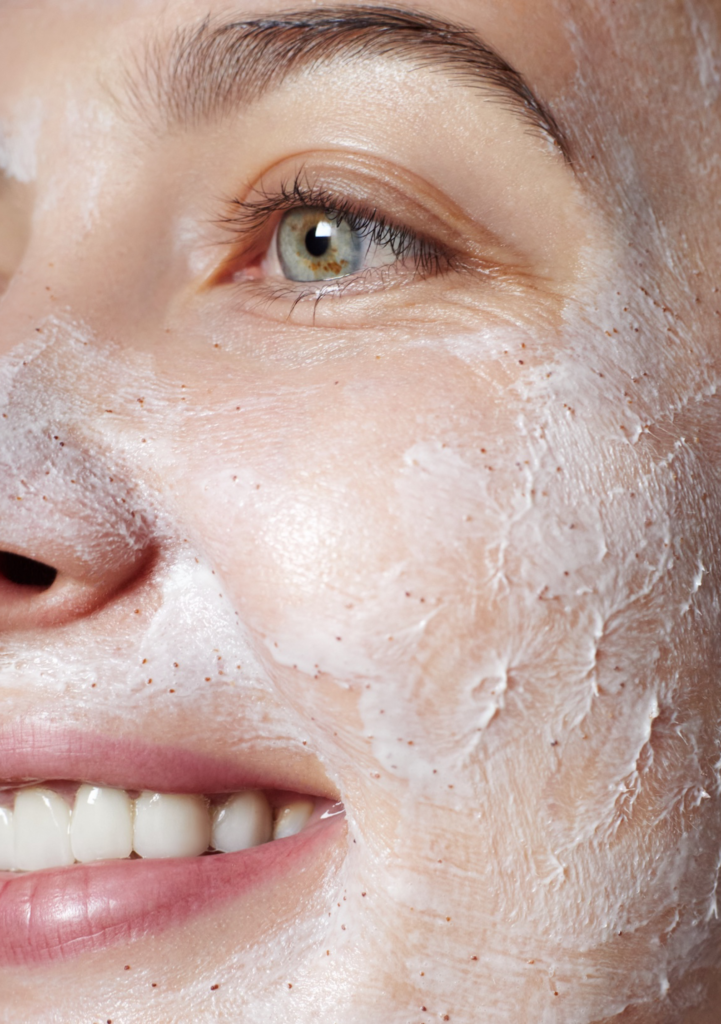
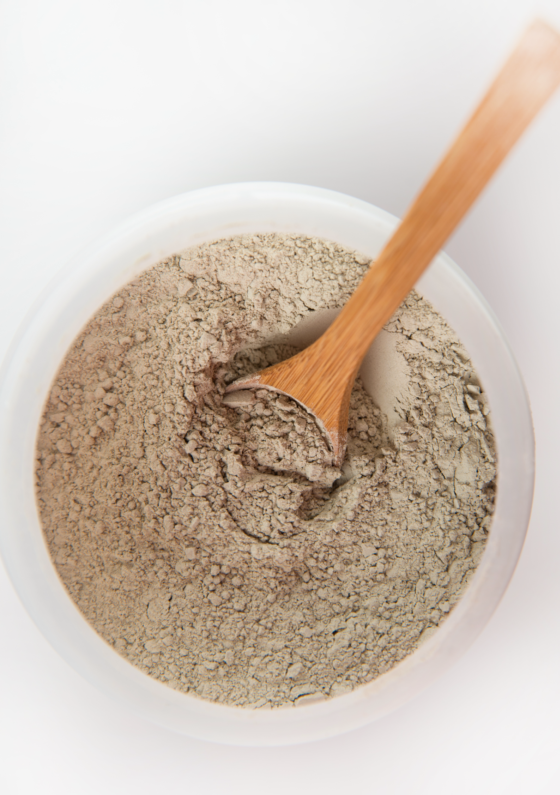
ACIDS – FRIEND, NOT FOE
The word “acid” might sound intimidating—after all, what should an acid be doing to your skin? But don’t let the name fool you. The idea that acids are harsh or damaging is just a misconception. In reality, skincare acids are gentle yet highly effective in refining and rejuvenating your complexion.
These powerful ingredients work by loosening the bonds between dead skin cells, allowing them to shed more efficiently. This natural process helps reveal brighter, smoother, and healthier – looking skin without the need for harsh scrubbing.
So, if you’ve ever hesitated to try acid-based exfoliation, rest assured—modern formulations are designed to be both safe and beneficial, even for sensitive skin. It’s time to rethink the stereotype and embrace the glow.
POST – EXFOLATION CARE: PROTECT & NOURISH YOUR SKIN
Exfoliation reveals fresher, more radiant skin, but proper aftercare is essential to maintain its benefits while preventing irritation. Here’s how to care for your skin after exfoliating:
- Rinse with Cool Water – After exfoliation, use cool water to soothe and refresh your skin, minimizing any temporary redness.
- Moisturize & Hydrate – Your skin may feel more sensitive, so apply a hydrating moisturizer to restore its natural barrier and lock in moisture.
- Apply Sunscreen (SPF 30 or higher) – Newly exfoliated skin is more vulnerable to UV damage. Protect it with a broad – spectrum SPF 30+ sunscreen, even on cloudy days.
- Avoid Strenuous Workouts, Dry Saunas, & Steam Baths – Heat and sweat can further irritate freshly exfoliated skin. Give your skin time to recover before exposing it to extreme conditions.
- Don’t Over – Exfoliate – Exfoliation should enhance your skin, not compromise it. Listen to your skin and avoid excessive exfoliation, which can lead to irritation and dryness.
Once your surface feels balanced and comfortable, you can gradually resume your regular routine. Taking these steps ensures you get the most out of exfoliation while keeping healthy, glowing look.
Read also our other BLOG’s – MASTER YOUR SKINCARE